Slide 1
Revolutionizing Internships for Real-World Learning
Unlock your potential with Software and VLSI courses designed to build skills for the evolving tech industry.
Slide 2
Our Distinctive Approach: A Multidisciplinary Skillset for Success
Explore VLSI design through hands-on, industry-focused courses that build real, in-demand skills.
Slide 3
Join the Movement: Embracing Inclusive Learning for All

WELCOME TO

VALLY INNOVATIONS PVT. LTD.

Welcome to the forefront of transformative learning at Valley innovation pvt. Ltd Founded in 2023, we are a dynamic force propelling individuals towards success in the modern world. Our vision is clear: to equip you with the skills, insights, and innovation needed to excel in today's high-tech office environment and the ever-evolving landscape of Industry 4.0.

Why Choose Valley Innovations Pvt. Ltd.

The German Ausbildung system is a globally recognized vocational training model that combines structured theoretical education with extensive hands-on, workplace learning. Spanning 2 to 3.5 years depending on the profession, it is known for building strong practical competence, industry readiness, and long-term career stability across various skilled trades and professions.

Valley Innovations Pvt. Ltd. operates in a different training segment, specializing in expert-led VLSI and CAD tool training for the semiconductor industry. Our programs focus on practical tool exposure, real-world project experience, and industry-aligned skill development—designed to prepare students, freshers, and aspiring professionals for technical roles in VLSI and related domains.

Training aligned with international standards

Compliance with globally recognized training frameworks

Strong focus on employability and real-world application

Career readiness and job placement support

Structured modules inspired by the German vocational system

Modular training framework with clear learning outcomes

Ideal for students, freshers, and aspiring semiconductor professionals

Bridge between academic learning and industry requirements

Comprehensive Training in VLSI Design

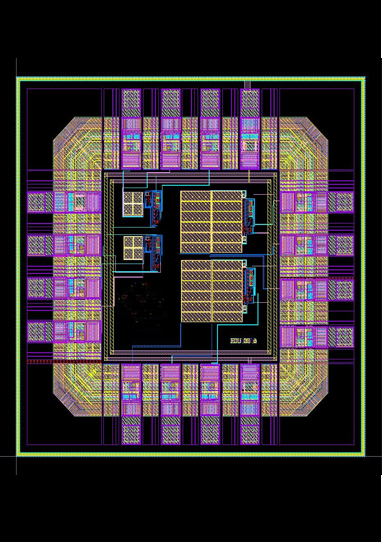
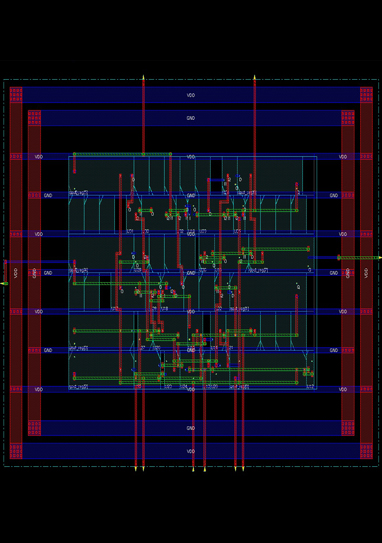
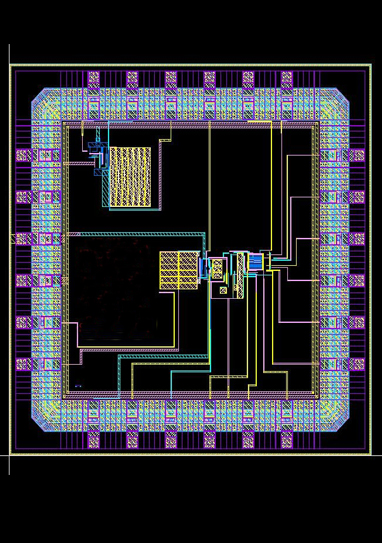
Offers in-depth training in Verilog coding, FPGA, analog frontend design, RTL synthesis, and GDSII extraction.

Balanced Analog and Digital Knowledge

Teaches both analog frontend design and digital RTL synthesis.

Real-World Project Experience

Internships offer involvement in live, industry-related projects.

Industry-Relevant Skills

Focuses on key skills needed in VLSI, analog, and embedded systems design.

Our German Language Courses

A1 – Beginner Level

Designed for absolute beginners. Learn basic communication, greetings, everyday expressions, and sentence structures.

A2 – Elementary Level

Strengthen your foundation and communicate confidently in daily and professional situations.

B1 – Intermediate Level

Achieve independent language use for work, study, and travel in Germany.

B2 – Upper Intermediate Level

Communicate fluently and professionally in academic and workplace settings.

C1 – Advanced Level

Near-native proficiency for higher education and professional excellence.

C2 – Mastery Level

Complete fluency equivalent to a native speaker.

A1 Level

An introduction and the first taste of the German language. This Level is for beginners and in this level, no previous knowledge of the language is required. By the end of this course, you will be able to cope with the most common everyday situations by asking and answering simple questions and to understand people when they speak to you about the situations covered.


A1 Level

CourseTypeCourse DurationClass DurationModeFee (INR)
A1Weekdays50 Days90 Mins (Mon-Fri)Offline24,990
A1Weekdays50 Days90 Mins (Mon-Fri)Online19,990
A1Weekend90 Days150 Mins (Sat-Sun)Offline24,990
A1Weekend90 Days150 Mins (Sat-Sun)Online19,990

A2 Level

"By the end of this course, you will have expanded the range of situations which you are able to handle in German and you will have begun to learn some basic grammar points. You will be understanding more of what people say and will be confident enough to respond appropriately.

A2 Level

CourseTypeCourse DurationClass DurationModeFee (INR)
A2Weekdays55 Days90 Mins (Mon-Fri)Offline24,990
A2Weekdays55 Days90 Mins (Mon-Fri)Online19,990
A2Weekend90 Days150 Mins (Sat-Sun)Offline24,990
A2Weekend90 Days150 Mins (Sat-Sun)Online19,990

B1 Level

By the end of this level, you will be able to say more about your professional and social life and you will be able to use the phone and write simple messages. You will also have a reasonable feel for the main patterns of the language.

B1 Level

CourseTypeCourse DurationClass DurationModeFee (INR)
B1Weekdays80 Days90 Mins (Mon-Fri)Offline24,990
B1Weekdays80 Days90 Mins (Mon-Fri)Online23,990
B1Weekend105 Days150 Mins (Sat-Sun)Offline24,990
B1Weekend105 Days150 Mins (Sat-Sun)Online23,990

B2 Level

By the end of this level, one can understand complex text. They can express views on a variety of topics and converse with the native speakers too. You will be able to talk about travel and a range of outdoor leisure activities. Generally, you will be handling most everyday situations.

B2 Level

CourseTypeCourse DurationClass DurationModeFee (INR)
B2.1Weekdays80 Days90 Mins (Mon-Fri)Offline23,990
B2.2Weekdays80 Days90 Mins (Mon-Fri)Offline23,990

C1 Level

By the end of this level, you will be able to refer to future and past events and describe some of these in sequence. Your range of vocabulary will have increased to include some areas outside the everyday.

C1 Level

CourseTypeCourse DurationClass DurationModeFee (INR)
C1.1Weekdays80 Days90 Mins (Mon-Fri)Offline24,990

C2 Level

By the end of this course, you will have mastered the basics of the language, both grammar and vocabulary. You will have learned enough either to go to a German-speaking country or can join any MNC which look for German Experts.

C2 Level

CourseTypeCourse DurationClass DurationModeFee (INR)
C2.1Weekdays80 Days90 Mins (Mon-Fri)Offline24,990

Ausbildung in Germany

Ausbildung in Germany refers to vocational training or apprenticeship programs. It’s a structured system where individuals receive practical, on-the-job training combined with theoretical education in a specific category or profession. Depending on the profession Ausbildung typically lasts between 2 to 3 and a half years.

German Vocational Training (Ausbildung)

The foundations of the German vocational training system (VET) are a dual training approach, based on the apprenticeship model. It involves both classroom-based theoretical knowledge and work-based training in companies. Federal states oversee the school-based component, while companies organize company-based training. The dual training model is a result of several decades of development. n Germany, students can choose between vocational training or university degrees. There are many advantages to this dual system. Apprenticeships can lead to master’s degrees, which increase the responsibility and pay of graduates. However, there are several requirements for entry.

Prerequisites for Indians

To be eligible for an Ausbildung in Germany for Indians, students need to fulfill the prerequisites for completing their Ausbildung program. In Germany, school leavers must demonstrate that they have completed a school with an appropriate German language level. If you have an “Abitur” or the equivalent qualification (12th pass), you can study dual-track vocational training in Germany. Dual-track training involves both theoretical and practical components.

For example, applicants must prove that they have a B1 language level and can communicate effectively in German. The higher their level of German, the more likely they are to be accepted to an Ausbildung program. For trades and craft occupations, there are different prerequisites. For example, nurses spend two months in school, followed by two months in practice. A typical program lasts two or three years. Upon graduation, trainees can work as an expert in a company, obtain further qualifications, become self-employed, or return home to work.

Language requirement

You can apply for an apprenticeship in Germany if you are a foreign national and you have German as your mother tongue. If you are not, you can still apply for this program. You just need to make sure you are fluent in the German language.

You also can apply for an Ausbildung if you have no formal education but are interested in technical fields. In almost every field of study, you can apply for this program. It can be a dual education or vocational training.

Duration of Ausbildung in Germany & salary

The duration of Ausbildung or Dual vocational Training in Germany depends on the profession chosen. Many occupations are split into block-based programs. Nurses, for example, spend half their time in school and half in practice. Most trainees, however, spend only a fraction of their time in school and half in practice.

Trainee salaries will vary according to the occupation. Some are paid up to 1,400 EUR per month. Other professions may have different requirements and require more time. In Germany, the duration of an Ausbildung program is three to four years, although this can be reduced depending on the individual. Depending on the department, vocational training school, and company, the Ausbildung can be completed in less time. In general, the most important requirement for qualifying in an Ausbildung program is good German language proficiency. It takes up to three years to complete. In addition to completing your training, you can gain a job immediately after graduation.

Benefits-Importance vocational training

image
Earn While You Learn _____________________
Gaining Skills, Experience, and Financial Support

The work experience is invaluable and you usually learn more during internships than during college. In addition, you get a wage and sometimes other benefits and help from the firm.

image
Where Learning Meets the Real Workplace
Industry Experts. Real Benefits. Practical Learning.

You have the same number of holidays like regular employees (24-30 days per year) which you can only take during internships. Another advantage is that usually a lot of the teachers are people who are working in the field, meaning they bring in actual work experience and teach you up to date stuff.

image
Practical Learning That Pays Off
Enhancing Skills While You Work

Vocational Education helps people do their work better because they receive a great learning opportunity. Workers get a chance to refine their talents while earning money.

image
Building Skills and Resilience Through Work
Manual Skills That Matter

Certain professional skills gained from vocational training teach students the importance of manual work. The physical work done under some jobs makes them strong, healthy and involved.

image
Closing the Skills Gap for a Stronger Workforce
Skills That Meet Market Demand

Through bridging demand and the supply gap with highly qualified employees, vocational education is transforming the economy. This also offers students the ability to take marketable knowledge directly into the work environment from the classroom.

image
Your Path to Success, No Degree Required
Empowering Adults and School Dropouts

School dropouts and adults (Aged between 18-30) may also obtain this kind of education, as it provides an opportunity to learn skills and trade. There are many well-paid career fields that do not require a college degree.

image
Career-Focused Education
Alternative Pathways to Skilled Employment

The importance of Vocational Education is the provision of satisfying work for those who have no desire to obtain college degrees, but who are fully capable. They simply take advantage of Vocational Education to prepare for a career of satisfying and useful work.

image
Early Company Integration
Continuous Professional Development Within the Company

The student is an employee of the company from the beginning and receives tasks that are according to his growing abilities. If a company is willing to make an employment-contract with the student after his dual education time, the company gets an employee who knows the company’s workflow.

image
Practical Skills and Earnings
Transfer of Professional Competencies

The student can also benefit from the knowledge about born hard and soft skills of more experienced co-workers. The student develops under real conditions. Furthermore, the student earns money from the beginning.

image
Job Market Readiness......................
High Employability.....................

Given that students in dual education systems receive high quality vocational training and education, they are well prepared to enter the job market at a young age, and the firms that participate in their training are more willing to hire them when they graduate.

List of Ausbildung Programs in Germany

    Hotel Expert

    Baker

    Industrial Clerk

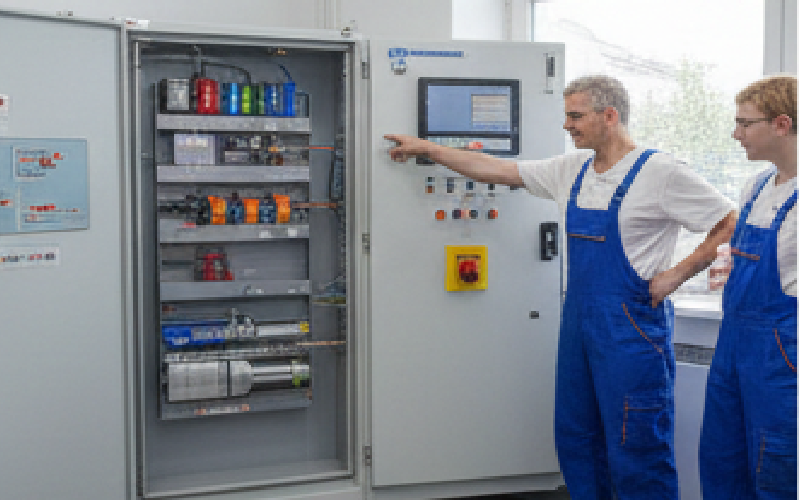
    Metal & Electrical Profession

    Electrician / Industrial Electrician

    Nursing

    Gardener

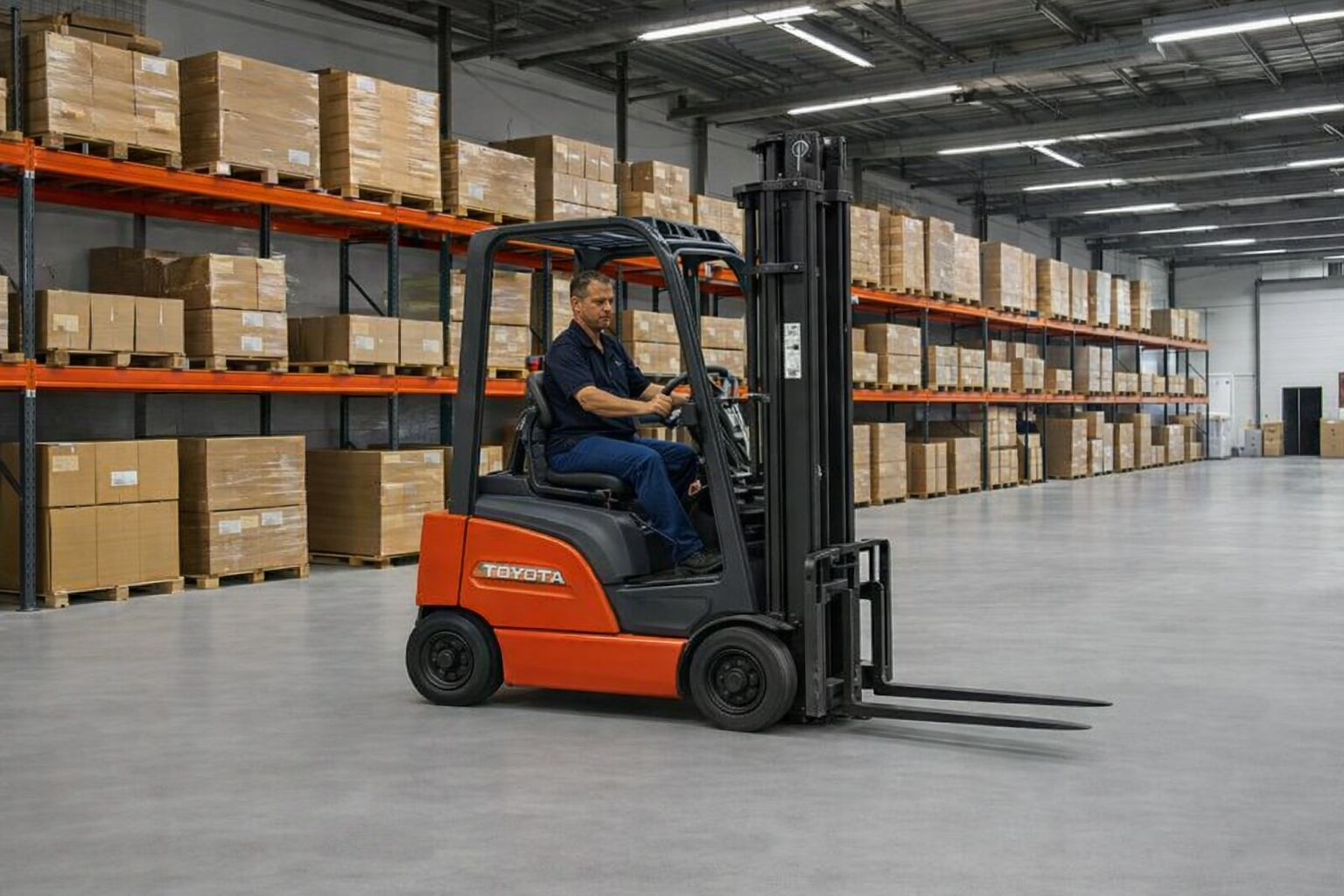
    Warehouse Logistic Specialist

    Automobile Profession

    Cosmetics

    Salesmen/Women

    Cook or Chef

    Spa & Wellness Specialist

    Mechatronics Technician

image
image
image
image
image
image
image
image

Certification after Completion of the Training

image

Vocational education is designed to make it easier for employers to find new employees by allowing them to test potential candidates as apprentices, creating a smoother flow for the hiring process. In Germany, the system of vocational education functions through close cooperation between small and medium-sized companies, regulated by law, with employers and trade unions responsible for establishing training standards.

There is also a shared responsibility between the government, employers, and trade unions, which helps the system adapt to digital advancements and changing job markets, ensuring that future employees are well-prepared for evolving workplace demands. Since certificates are standardized across all industries, the dual education system guarantees that apprentices receive consistent training regardless of the region or company. Employers value certificates because they provide reliable evidence of an individual’s knowledge and skills, building trust in their qualifications and abilities. Certificates also demonstrate that a person has completed formal training or education, reflecting their commitment and dedication to learning. They make it easier for employers to compare candidates objectively, ensuring that the selected individual meets the required standards, and can give candidates a competitive advantage by highlighting their specialized expertise.

Ausbildung in Germany

requirements:
Age should be between 18 to 30

This age range is generally preferred for visa and training program expectations, along with meeting other criteria such as educational qualifications and German language proficiency.

12th pass from any stream

Applicants should have successfully completed 12th grade from any stream, meeting the basic educational qualification required for an Ausbildung in Germany.

B1 level of German Language Skills

B1-level German language skills indicate an intermediate ability to understand and use German in everyday and professional contexts.

Passport

A valid passport is required for applying to an Ausbildung in Germany, as it is essential for the visa application process and international travel.

Valley Innovations

Services:

Workshop/Training Courses

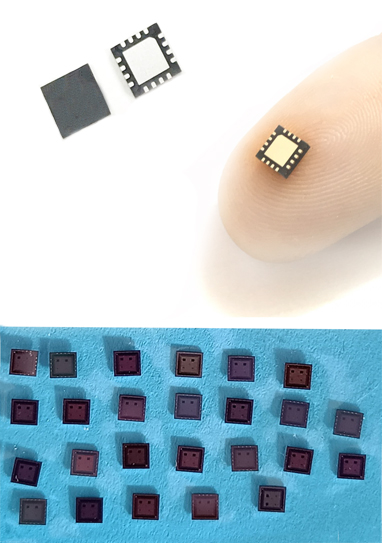
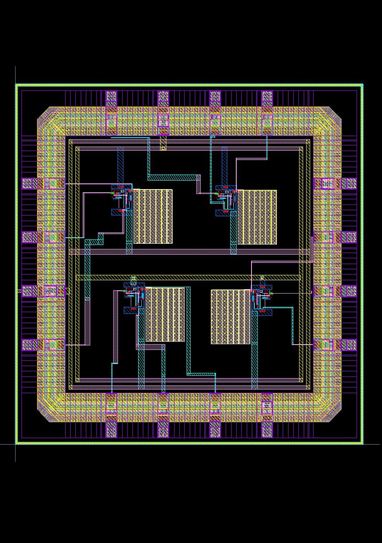
This workshop and training program is designed to provide comprehensive hands-on experience and theoretical knowledge in key areas of digital and analog chip design. Participants will begin with Basic Verilog Coding and FPGA Implementation, covering the fundamentals of hardware description languages and practical implementation on FPGA platforms. The program will then delve into Analog Frontend Design and Analysis, where attendees will explore the intricacies of designing analog circuits, as well as techniques for analyzing and optimizing performance. Moving on, the training will focus on RTL Synthesis, RTL Verification, and the entire flow from RTL to GDSII Extraction, equipping participants with essential skills to transition from Register Transfer Level designs to physical chip layouts. Finally, the program will provide in-depth guidance on Analog Chip Tapeout, preparing attendees for the final steps of chip fabrication and the challenges involved in preparing designs for manufacturing. This comprehensive course will provide a solid foundation for professionals seeking to enhance their expertise in semiconductor design and development.

Frequently Asked Questions

Knowing the detailed learning objectives will help you assess the value of each training module.

General Updates

5 Days Hands-on Workshop on VLSI Circuit Design & FPGA Implementation.Venue: IEM-College of Engineering, Kolkata. Targetted Participants B.TECH, M.TECH, PhD, Faculty, Industry Person and Project Staff.

Important Reminders

February 16th to 20th, 2026

Events & Activities

The program covered both analog and digital design domains, including basics of analog circuit design, differential amplifier pen-and-paper design, schematic circuit design, analog simulation and analysis, introduction to analog layout, layout verification (DRC, LVS, PEX), and final GDSII extraction. The digital design sessions included introduction to HDL programming, design of combinational and sequential circuits using Verilog, low-power circuit design techniques, static timing analysis concepts, hands-on experience with Xilinx Vivado, and FPGA implementation on the Artix-7 FPGA board.

Contact Us

We’d love to hear from you! Whether you have a question, feedback, or need assistance, our team is here to help. Reach out to us through the options below, and we’ll get back to you as soon as possible.

Jessore Road, Golpark, Kolkata-700028. (M) 9101569703